Wandsworth Common removals experts for local home moves
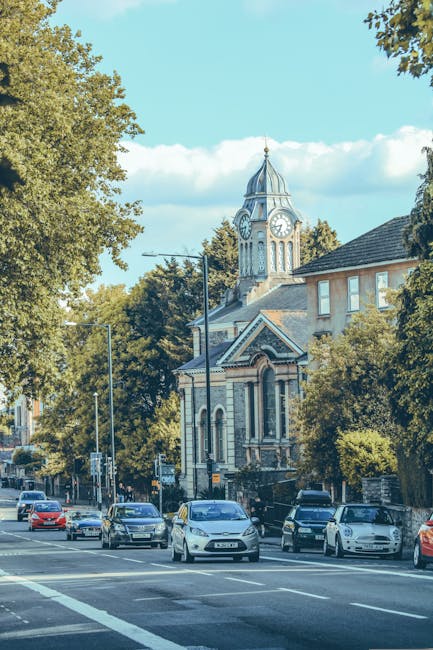
If you are moving within or around Wandsworth Common, the details matter more than people expect. A local house move can look simple on paper, then suddenly turn into a day of awkward stairs, tight parking, fragile furniture and that one box you swear was packed five minutes ago. Wandsworth Common removals experts for local home moves are there to keep the whole process calm, efficient and properly organised.
This guide explains how local removals work, what a good mover actually does, where the common risks sit, and how to choose a service that fits a nearby home move without overpaying or overcomplicating things. We will also look at practical planning, compliance, and the little local realities that can make a move around Wandsworth Common easier or, frankly, a bit of a faff.
Why Wandsworth Common removals experts for local home moves Matters
Local moves look straightforward because the distance is short. In reality, that is often exactly why people underestimate them. A move from one road near Wandsworth Common to another can still involve restricted access, shared entrances, narrow hallways, awkward parking, and items that suddenly feel much heavier when you are carrying them down three flights of stairs.
Using specialists who know local home moves in the Wandsworth Common area helps because they understand the rhythm of the neighbourhood. They know that timing matters. They know that a quick job can become a slow one if the van is parked badly. They know that flat moves, terraced houses and family homes each come with their own snags. That local awareness can save you time, reduce stress and limit damage.
There is also a trust factor. A removals team should not just turn up with a van and hope for the best. You want a team that can assess access, advise on packing, protect floors and furniture, and handle the move in a way that feels calm rather than chaotic. To be fair, most people only do a few home moves in their life, so it makes sense to lean on people who do this every week.
If you are comparing services, it helps to understand the broader support available too. You can start with the services overview and then narrow down what fits your move best.
How Wandsworth Common removals experts for local home moves Works
A good local move starts well before the van arrives. The process usually begins with a quick assessment of what needs moving, the property type, the access points, and the timing window. That could be a small flat, a family home, or a property with a mix of heavy furniture and delicate personal items. The move plan should be based on the actual job, not on a generic estimate.
In most cases, a removals expert will ask about:
- the size of the property and number of rooms
- stairs, lifts, long corridors, or shared entrances
- parking and loading access
- fragile, bulky or unusually shaped items
- packing needs and disassembly requirements
- whether storage or same-day turnaround is involved
Once that picture is clear, the team can match the right vehicle, number of movers and timing. If the move is particularly compact, a smaller service such as a man and van service in Wandsworth may be enough. For a larger home, a more structured house removals service is usually the better fit. And if the place is a top-floor flat with one eye on the clock, flat removals in Wandsworth can be a more realistic option than trying to wing it with a couple of friends and a borrowed trolley. We have all seen that story end badly.
Most quality home moves follow a pattern: prep, protect, load, transport, unload, place items where needed, and check everything before finishing. Simple enough in theory. The trick is in the details, and that is where local experience pays off.
Key Benefits and Practical Advantages
The main benefit is obvious: less stress. But the practical advantages go a bit deeper than that.
- Better time control: local crews can work to tighter schedules and avoid the drift that often happens with DIY moves.
- Lower damage risk: proper lifting, loading and protection reduce scratches, dents and broken items.
- More suitable vehicle choice: you are less likely to pay for unnecessary capacity or struggle with an undersized van.
- Local route awareness: traffic, parking and access around Wandsworth Common can be planned more intelligently.
- Less physical strain: moving a wardrobe up or down stairs is not a good way to start a new chapter in life, let's face it.
- Better packing guidance: the right advice can protect everything from plates and lamps to the odd sentimental item you do not want rattling around in a box.
There is also a mental advantage. A move feels different when you know someone competent has the logistics under control. You can focus on keys, utilities, children, pets, or the million little things that always pop up during a house move. One less thing to worry about. That matters more than people admit.
If you need packing support as part of the move, take a look at packing and boxes in Wandsworth before the moving day arrives. It is one of those small steps that saves a lot of panic later.
Who This Is For and When It Makes Sense
This kind of local removals support suits a few very common situations.
- First-time buyers: when everything already feels new, the move itself should not add unnecessary drama.
- Families upsizing or downsizing: there is often more furniture, more planning, and more things that need placing carefully.
- Flat movers: stair access, lifts, and parking can make a short local move surprisingly complex.
- Students and sharers: compact moves still need organisation, especially if timelines are tight.
- People moving on short notice: if completion, tenancy dates or work schedules shift, flexibility becomes essential.
- Owners of awkward items: pianos, large sofas, heavy wardrobes and fragile furniture are best handled by experienced movers.
It can also make sense if you are moving out of a property that needs to be cleared quickly and cleanly. In some cases, a same-day slot is the difference between a smooth handover and a very long afternoon. If that sounds familiar, see same-day removals in Wandsworth.
And if your move is really about a smaller load, you may not need a large removal crew at all. A carefully planned man with a van in Wandsworth or removal van in Wandsworth can be the right-sized answer. Not every move needs a military operation.
Step-by-Step Guidance
Here is a practical way to approach a local home move without losing the plot halfway through.
- List what is actually moving. Walk through each room and note furniture, boxes, fragile pieces and anything unusually heavy.
- Check access at both properties. Look at parking, entrances, stairs, lifts, and the distance from the front door to the van.
- Choose the right service level. A smaller move may suit a man and van, while a full home move may need a broader removals service.
- Pack by room and label clearly. Keep labels simple: kitchen, bedroom 1, bathroom, essentials. Future-you will be grateful.
- Protect delicate items early. Wrap glass, artwork, lamps and electronics before the moving day rush kicks in.
- Confirm timing and contact details. A short local move still benefits from clear arrival windows and a direct line of communication.
- Prepare an essentials bag. Keep documents, chargers, medication, keys and a kettle set-up separate.
- Do a final property check. Cupboards, lofts, sheds, behind doors, under beds. The usual hiding places for forgotten bits and bobs.
A neat detail many people miss: decide where each item should go in the new home before the movers arrive. If the bed goes in the back room and the sofa near the window, say so early. It sounds obvious. It still gets missed all the time.
Expert Tips for Better Results
Good moving days are often the result of a few smart choices made before the van turns up.
- Book a little earlier than you think you need to. Local moves fill up quickly around busy periods, and that can leave you scrambling.
- Keep heavy books in small boxes. This one sounds basic, but it saves backs and broken box bottoms.
- Separate valuables and essentials. Don't let passports, jewellery or key documents disappear into a pile of general household boxes.
- Take photos of cable setups. TVs, routers and desk layouts are much easier to rebuild when you have a quick reference.
- Plan for building friction. Shared hallways, neighbours, lift access and parking restrictions can all slow things down.
- Use proper packing materials for fragile items. Newspaper alone is not enough for everything, despite what some optimistic people believe.
It is also worth choosing a mover who is transparent about how they work. If you want to understand the people behind the service, read more about the team and their approach. That kind of page is often more useful than a flashy sales pitch.
One more thing: if sustainability matters to you, ask how packing waste and unwanted items are handled. You can also review recycling and sustainability practices before booking. Small decisions add up.
Common Mistakes to Avoid
Local home moves go wrong for predictable reasons. The good news? Most are avoidable.
- Underestimating volume: the boxes multiply in the final 48 hours. It happens every time.
- Ignoring access problems: a short road distance does not mean an easy loading process.
- Leaving packing too late: last-minute packing often leads to poor labelling and damaged items.
- Choosing purely on price: the cheapest option can become expensive if the team is underprepared or uninsured.
- Forgetting disassembly: wardrobes, beds and some shelving units may need to be taken apart first.
- Not checking terms: cancellation, timing and payment details should be clear before the day.
A lot of frustration comes from mismatched expectations. If you assume the movers will handle everything from full packing to placing every mug in the right cupboard, but only booked transport, trouble follows. Be clear. Ask direct questions. It saves everybody time.
For heavier or awkward pieces, such as upright instruments or large mirrors, it may be better to choose a specialist service like piano removals in Wandsworth or furniture removals in Wandsworth rather than treating them as ordinary boxes on a list.
Tools, Resources and Recommendations
You do not need a mountain of equipment for a local move, but a few well-chosen tools make life much easier.
- sturdy boxes in mixed sizes
- packing tape and a tape dispenser
- marker pens for room labels
- bubble wrap or protective paper for breakables
- blankets, covers or padding for furniture protection
- basic tools for dismantling beds, tables and shelves
- a small bag or crate for essentials
It also helps to have the practical pages open while you plan. For example, pricing and quotes is useful when you are trying to compare service levels, while removals in Wandsworth gives a broader view of what the move might involve. If you need secure holding space between moving dates, storage in Wandsworth can be a sensible bridge.
For different moving scenarios, it is also worth understanding the distinction between removal companies in Wandsworth and a smaller man with van arrangement. One is not automatically better. The right choice depends on volume, access, timing and how much help you actually need.
Law, Compliance, Standards, or Best Practice
For home moves in the UK, the main thing is not to assume the job is informal just because it is local. Good removals practice still involves care, documentation, and sensible handling of customer property. If a provider is operating professionally, you would normally expect clear terms, sensible payment handling, an outlined complaints process, and appropriate insurance.
Best practice also includes safe lifting, proper load securing, and respectful treatment of property. This matters more than people think. A staircase with a tight corner is not just a physical challenge; it is where careless handling tends to show up. In practical terms, a mover should know how to protect both the item and the building.
You may also want to check a company's operational policies before booking. Helpful pages include health and safety policy, insurance and safety, payment and security, and terms and conditions. Those pages are not glamorous, sure, but they tell you a lot about how a business operates in real life.
If accessibility is part of the move planning, it can help to read the company's accessibility statement. That can matter when a building has limited lift access, step-free issues or other practical barriers. Small things become big things when you are carrying furniture.
Options, Methods, or Comparison Table
Choosing the right moving method usually comes down to how much you are moving, how far you are going, and how much hands-on help you need.
| Option | Best for | Strengths | Watch-outs |
|---|---|---|---|
| Man and van | Small local moves, a few items, flexible schedules | Simple, fast, often cost-effective | May not suit large properties or many bulky items |
| Flat removals | Flats with stairs, lifts or tighter access | More suitable handling for apartment moves | Needs clear access details to avoid delays |
| House removals | Whole-home moves with mixed furniture and boxes | More complete support and better planning | Requires a clearer inventory and timing plan |
| Same-day removals | Urgent tenancies, completion-day changes, last-minute needs | Speed and flexibility | Availability can be limited and timings tighter |
| Storage plus removals | Moves with gaps between leaving and arriving | Useful buffer when dates do not line up | Needs extra coordination |
In many local home moves, the best answer is a simple one: choose the smallest service that still covers the real job properly. That usually keeps the move more efficient and less expensive. Bigger is not always better. Sometimes it is just bigger.
Case Study or Real-World Example
Imagine a couple moving from a two-bedroom flat near Wandsworth Common into a nearby house a few streets away. At first glance, it seems like a tiny move. Same area, short drive, easy win. Then the details appear: two flights of stairs at the flat, a narrow landing, a sofa that only just fits through the doorway, and a bed frame that definitely needs dismantling.
They start with a rough list, then realise the books, kitchenware and clothes are more volume than expected. Instead of packing everything in random boxes, they separate essentials, label by room, and use protective wrapping for fragile items. The movers arrive with the right vehicle size, clear instructions, and a plan for loading the awkward items first.
The result is not dramatic. Which is exactly the point. No panic, no frantic reshuffling in the rain, no argument about where the lamp went. The move finishes with the main furniture in place, the essentials unpacked, and enough energy left to make tea instead of eating dinner from a cardboard tray. That is what a good local move should feel like, really.
For people living in the area, local context can help too. Wandsworth has a strong mix of homes, small businesses and active neighbourhood life, and that shapes how people move in and out. If you are curious about the wider local setting, the articles on living in Wandsworth, first-time buyers in Wandsworth, and smart property investments in Wandsworth give helpful background.
Practical Checklist
Use this simple checklist a few days before moving.
- Confirm your moving date and arrival window.
- Check parking and access at both properties.
- Finish packing non-essentials first.
- Label every box by room and contents.
- Set aside documents, keys, chargers and medication.
- Protect fragile items and furniture corners.
- Disassemble large furniture if required.
- Notify neighbours if access or loading may affect them.
- Keep drinks, snacks and basic cleaning supplies ready.
- Walk through the old property one final time before leaving.
Expert summary: the smoothest Wandsworth Common home moves usually come from three things working together: realistic planning, the right vehicle and team size, and clear communication about access and belongings. Get those right, and the rest is much easier.
If you are comparing options and want to speak with a local team, the next sensible step is to review the available services and then get in touch through the site's contact page. A short conversation now can save a lot of stress on moving day.
Get a free quote today and see how much you can save.
Conclusion
Wandsworth Common removals experts for local home moves are valuable because they turn a busy, physically demanding day into something manageable. The short distance between homes should not be fooled into looking easy. What matters is planning, local awareness, proper handling and the kind of calm problem-solving that keeps a move moving.
Whether you are shifting from a flat, a family house or a smaller property with awkward access, the right support can reduce damage, save time and make the whole process feel a lot less like a scramble. That is the real win. Not just getting the items from A to B, but arriving with your patience still intact.
And if the boxes are already stacking up, take a breath. You are probably closer to done than it feels right now.
Frequently Asked Questions
What do Wandsworth Common removals experts for local home moves actually do?
They plan, load, transport and unload household items for nearby moves, while also helping with access, furniture handling, packing guidance and timing. A good team reduces the stress that usually builds up around local moving day.
Is a man and van service enough for a local home move?
Sometimes, yes. If you are moving a small number of items or a compact flat, a man and van service can be ideal. For larger loads, a fuller removals service is usually safer and more efficient.
How do I know if I need house removals or flat removals?
It mostly depends on property type, access and volume. Flats often involve stairs, lifts and tighter corridors, while house moves can involve more furniture and rooms. If the access is tricky, flat removals may be the more suitable choice.
Do local removals need a lot of advance planning?
Usually, yes, but not obsessively so. A simple inventory, access check and packing plan will usually cover most situations. The earlier you confirm the details, the easier the move becomes.
What should I pack separately on moving day?
Keep your essentials bag separate. That means keys, documents, medication, chargers, snacks, toiletries and any immediate-use items. It saves a lot of rummaging when you are tired and the kettle still has not been plugged in.
How can I reduce the risk of damage during a local move?
Use proper packing materials, label fragile boxes clearly, dismantle large furniture where needed and make sure the movers know about delicate items in advance. Good handling starts with good information.
Are same-day home moves possible in Wandsworth Common?
They can be, depending on availability and the size of the move. If your dates change suddenly or you need fast turnaround, same-day removals in Wandsworth may be worth checking.
What is the difference between removal companies and a smaller van service?
A larger removal company setup is often better for fuller household moves, while a van-based service may suit smaller jobs, single items or short local transfers. The best option depends on the amount being moved and how much help you want.
Should I book storage if I am not sure about my move-in date?
If there is any gap between leaving one home and entering the next, storage can be a very practical bridge. It helps avoid last-minute pressure and keeps your belongings safe while dates line up.
How do I compare quotes properly?
Look beyond the headline price. Check what is included, whether packing help is available, if there are charges for stairs or waiting, and whether insurance and payment terms are clear. A transparent quote is usually the better quote.
What should I check before booking a removals service?
Read the service details, safety information and terms first. Pages like insurance and safety and terms and conditions can tell you a lot about how the company works in practice.
Can I get help with boxes and packing materials too?
Yes, often you can. Many people prefer to arrange boxes and packing support in advance rather than scrambling for last-minute supplies. It makes the move feel much more under control, honestly.
What if my move involves heavy furniture or delicate items?
Tell the mover early. Large sofas, wardrobes, pianos and fragile pieces may need extra care or specialist handling. If needed, use a relevant service such as furniture removals or piano removals rather than assuming standard transport is enough.
How can I contact the team about my move?
You can review the company information first and then use the site's contact page to ask questions or request a quote. A short message with your property type, date and access details is usually the quickest way to get a useful response.
Why does local knowledge matter so much?
Because the same short journey can play out very differently depending on roads, parking, building access and timing. Local knowledge helps movers plan around real conditions rather than hoping for the best. And in removals, hoping is not a strategy.